Cart 0
Cart 0

The BIG 5 Toolkit for RSHE

Digital Product Block
An updated PayPal billing agreement is required to capture payments from your customers. Update now.
£100.00
One time

If you have already purchased the toolkit, view it here

‘How to think, not what to think’ – facilitating ‘safe uncertainty’ without needing all the answers. 

This toolkit helps primary educators facilitate critical thinking and emotional intelligence in the classroom. It can be used to implement inclusive routines and safeguarding language hand-in-hand with any existing PSHE and RSHE provision. 

In particular, the toolkit meets the guiding principles of the 2026 RSHE statutory requirements for England, including making provision ‘relevant and responsive’ and enabling ‘skilled delivery of participative education’.

*This toolkit is designed for pupils aged 8-11, however the mindfulness tracks are suitable for ages 5+. The toolkit for ages 5-8 is in development and will be ready soon!

Why Buy The BIG 5 Toolkit for RSHE?


 See below for the resources included in the toolkit

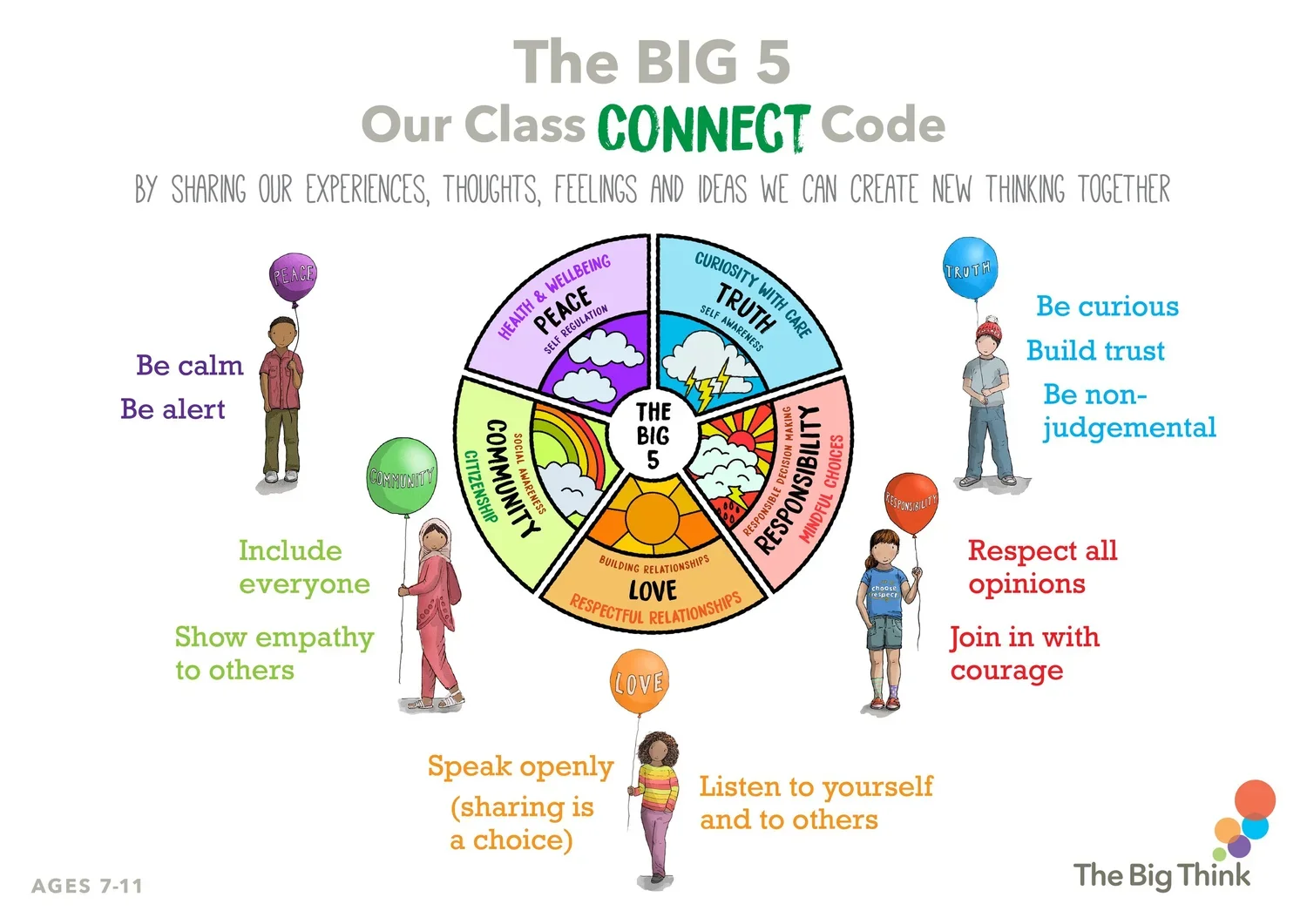
Our Class CONNECT Code

Ground rules that build connection and a group agreement for exploring complex RSHE and PSHE topics, allowing for diverse viewpoints and managing ambiguities and complexities.

Does it work?

Safeguarding and Risk Reduction: Guidelines that establish a safe, non-judgmental environment allow children to discuss digital safety, relationships, and health choices. Studies show this drastically increases students' ability to seek help when necessary and make safer, more informed choices regarding risk.

 
We use the CONNECT Code all the time to remind us all how to communicate in a positive way
— Y6 Teacher, North London

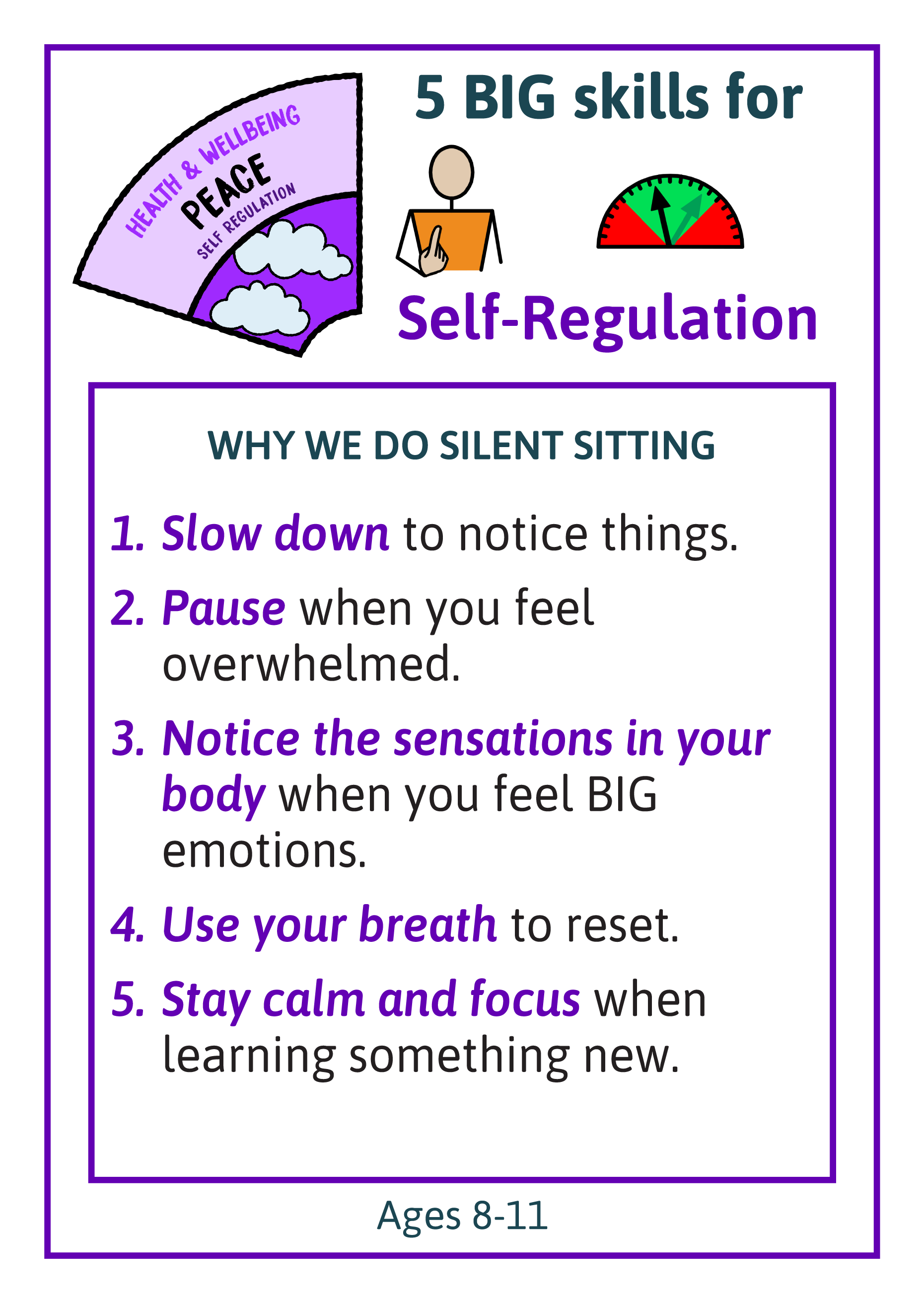
Silent Sitting Mindfulness Tracks

Developed by child meditation expert Christiane Kerr, both children and adults build up their mindfulness practice over time.  

Does it work?

The largest study on the impact of mindfulness concluded that meditations that link to pupils' current learning and experience have the biggest impact on self-regulation skills. (MYRIAD research with University of Oxford and Wellcome Trust)

We like to use the mindfulness tracks as a whole-school thing after lunch to reset and refocus ready for afternoon learning.
— Deputy Head, SENDCO and Safeguarding Lead, West London

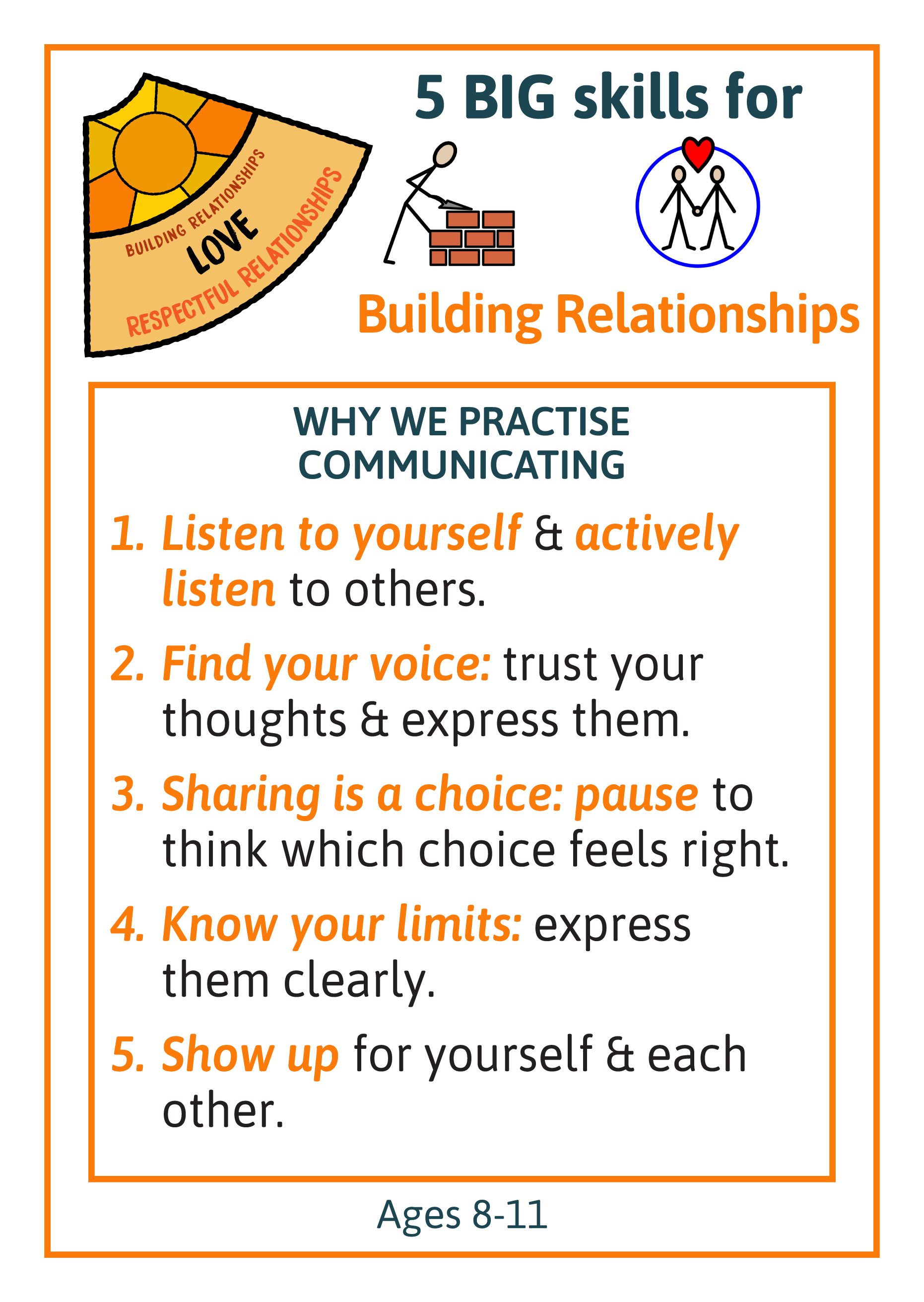
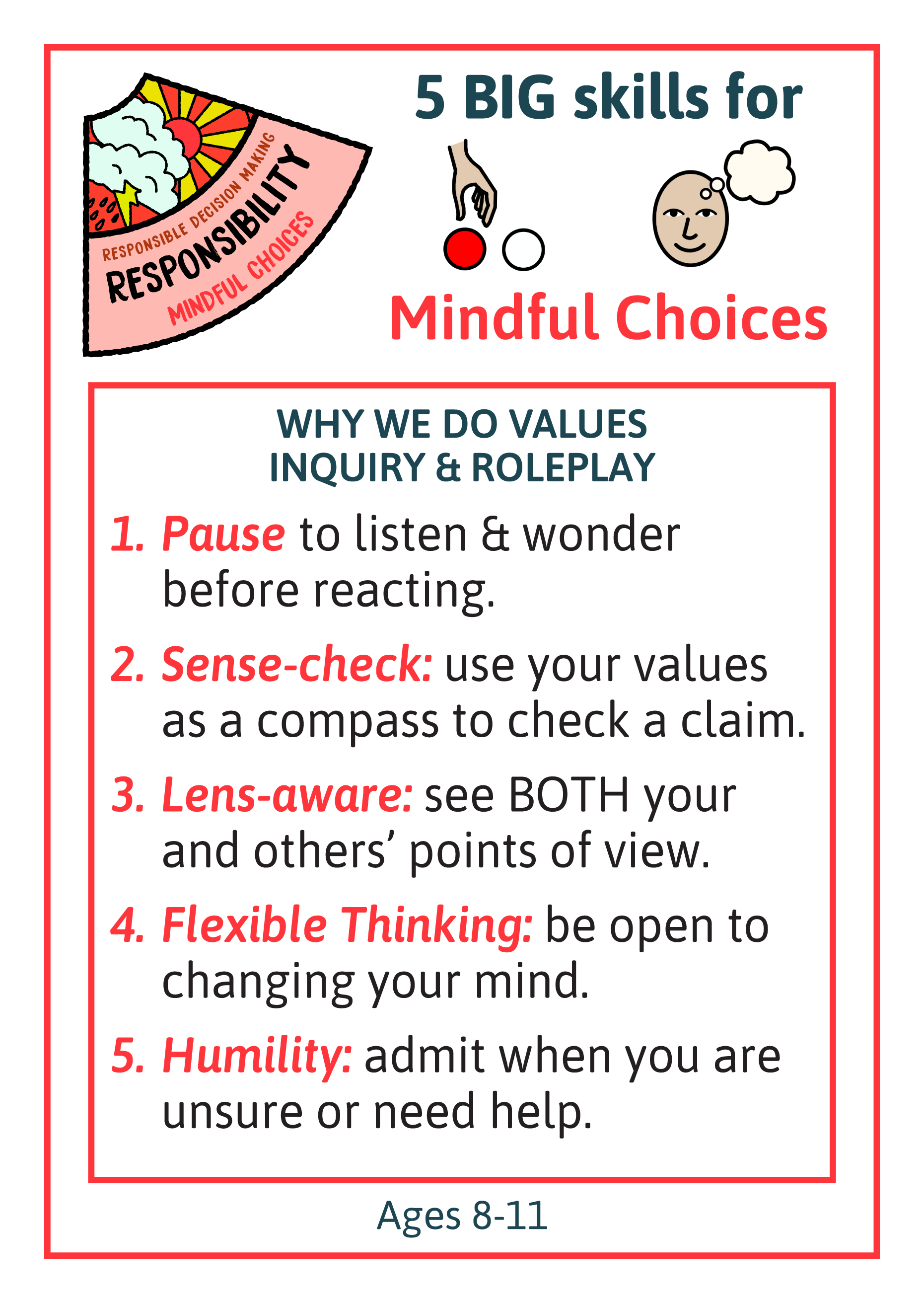
5 BIG Skills for Life

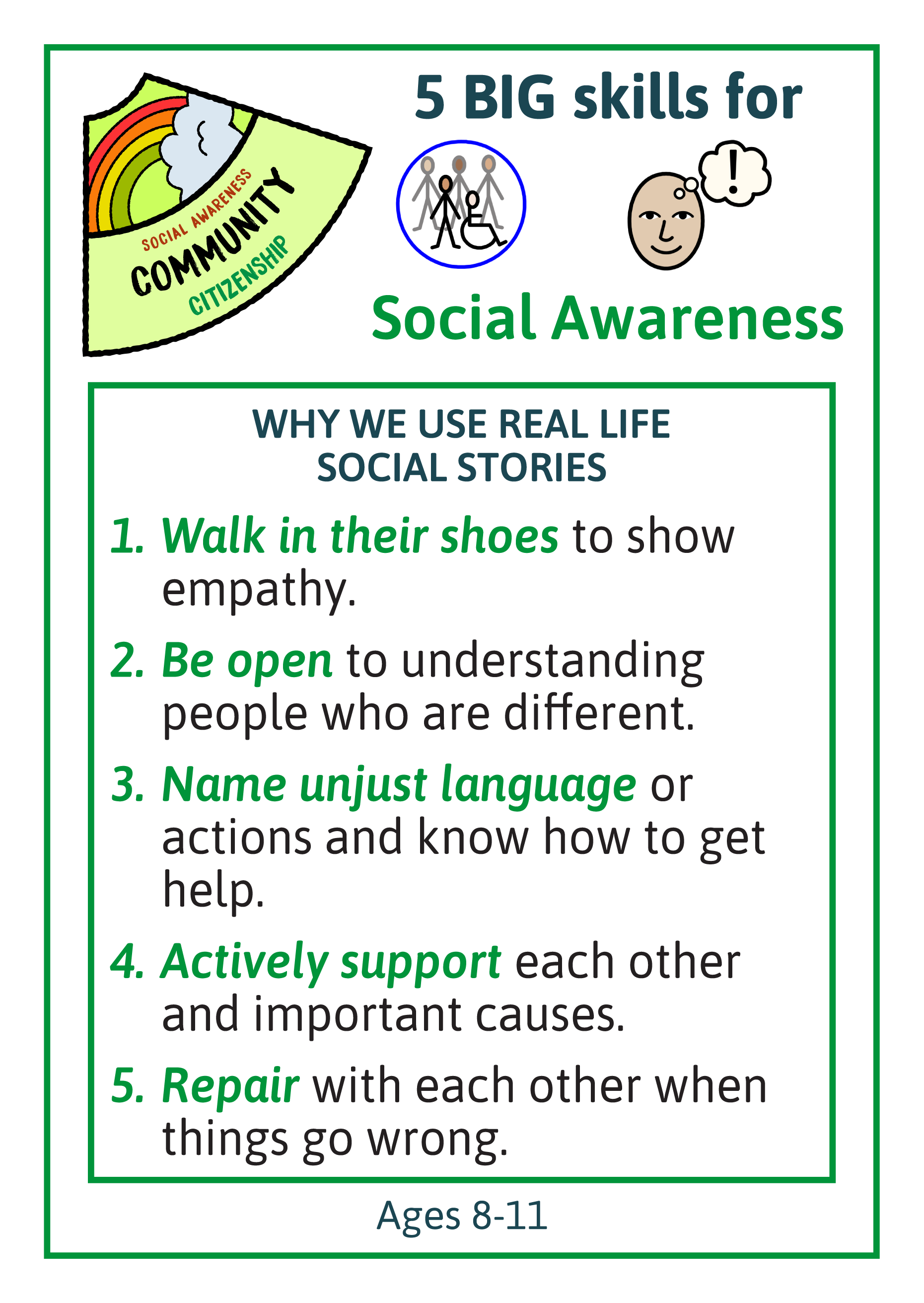
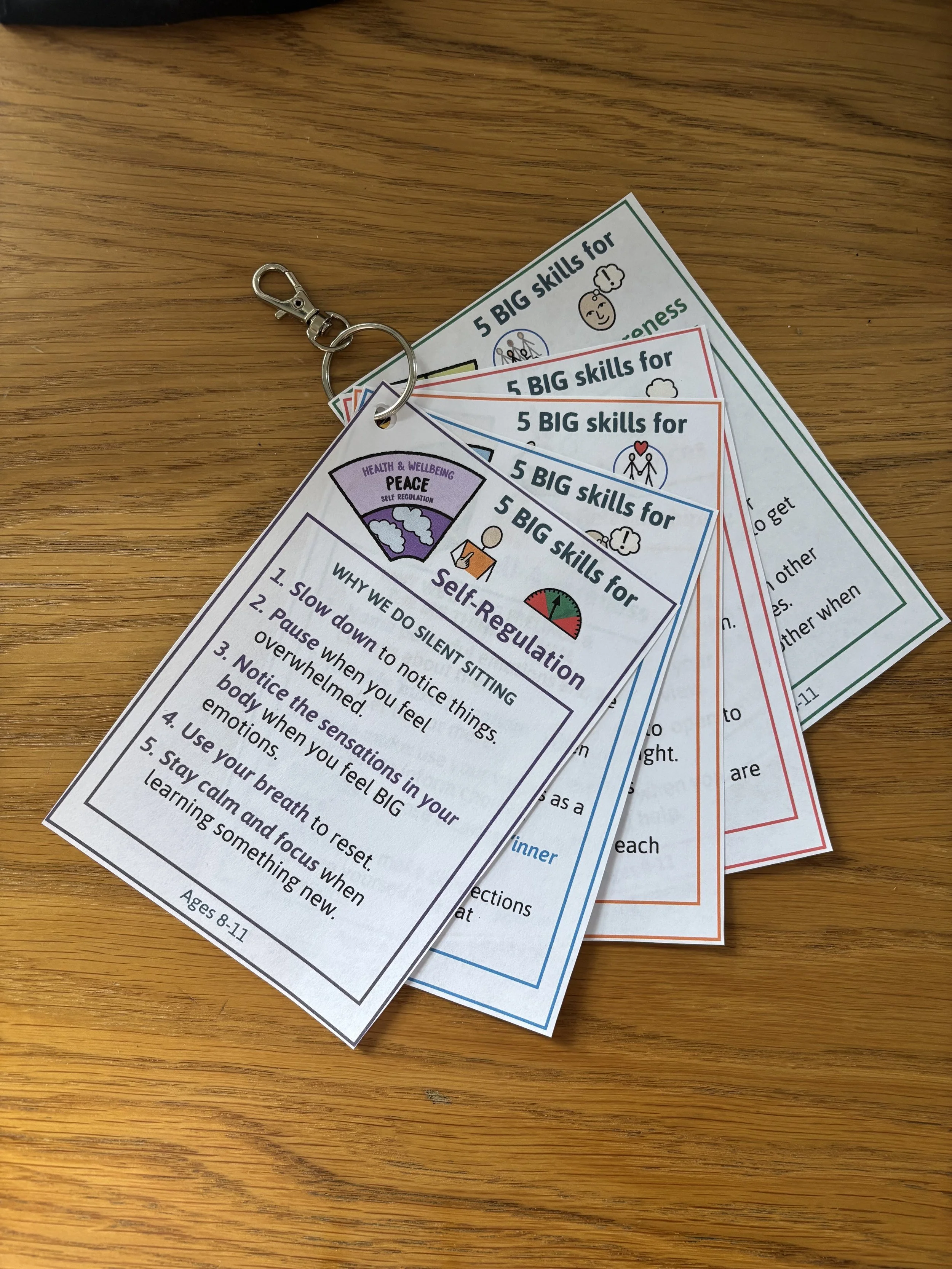
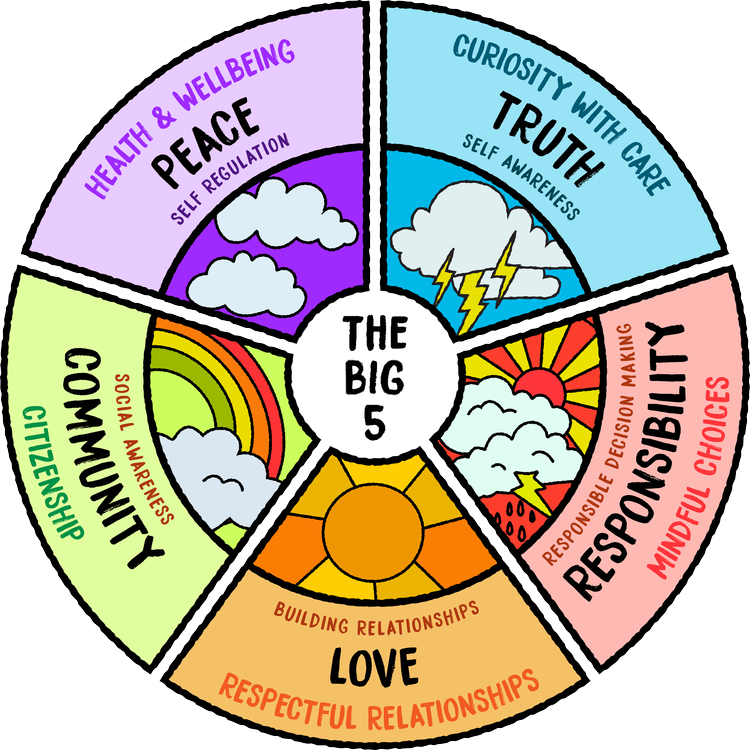
Five of the key social emotional skills, essential for life and for the workplace, broken down into explicit and manageable steps to apply during RSHE or in the wider curriculum so they become lifelong habits. 

Does it work?

- According to the OECD, nurturing critical thinking in young students not only sharpens rational judgement but is also linked to stronger academic performance and a greater intrinsic motivation for learning.

 The Future of Jobs Report (World Economic Forum, 2025), lists analytical thinking and other social emotional skills as the top core skills that will combat AI.

First we practise using the BIG life skills in class, then we start using them all the time until they are natural habits.
— PSHE Lead, North London

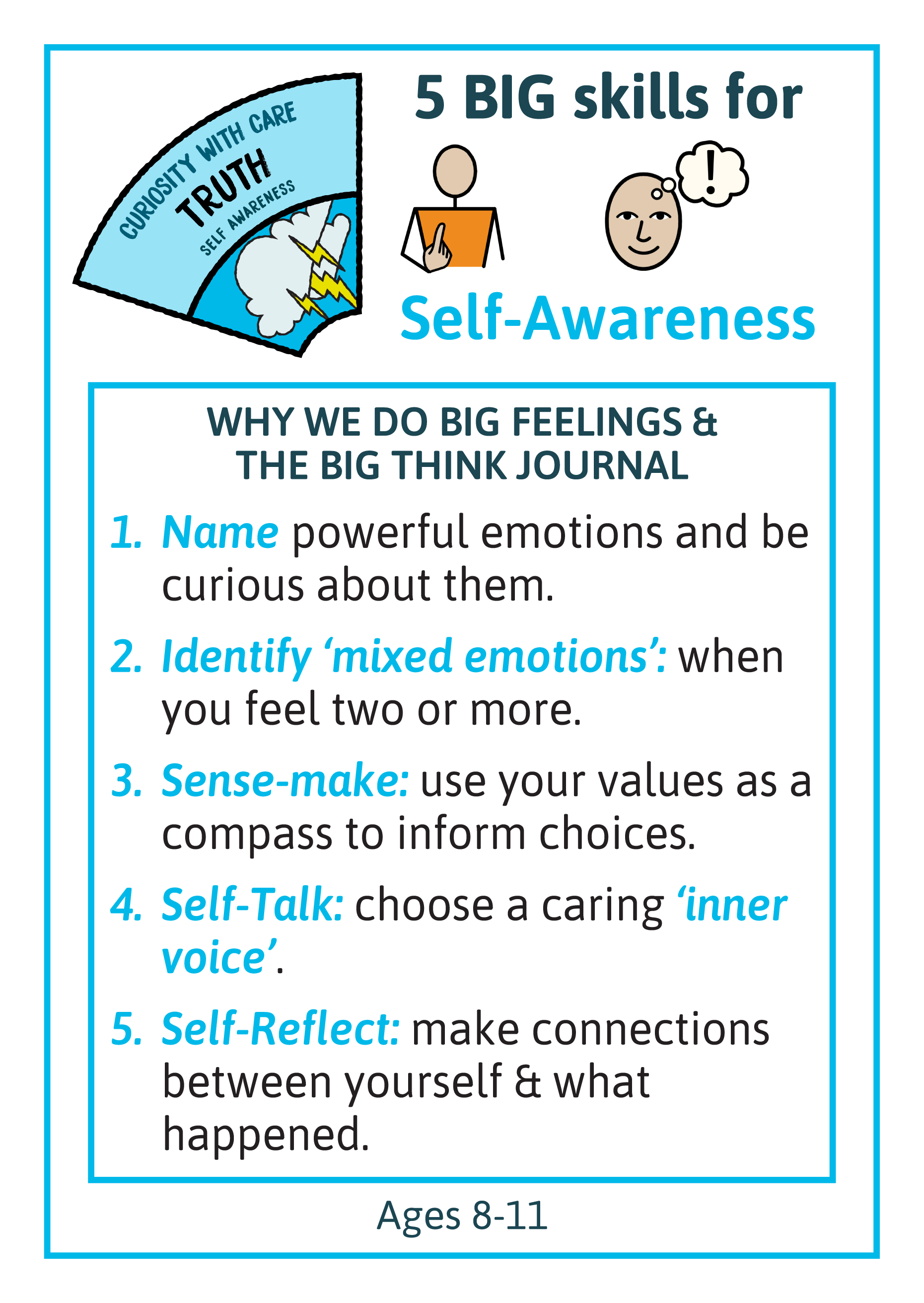
The BIG Feelings & Life Skills Compass

A resource to name and identify a range of feelings to help regulation and awareness and acknowledge both comfortable and uncomfortable feelings. For older primary pupils, the outer ring goes further and suggests mindful choices that can be made when experiencing these feelings.  

Does it work?

- Research spearheaded by experts like Dr. Dan Siegel and Dr. Matthew Lieberman highlights that labelling emotions integrates the right (emotional) brain with the left (logical) brain and with practice, this can help to soothe the nervous system and manage overwhelming feelings.

We also use The BIG Feelings Compass in Literacy to help broaden the vocabulary for how the characters might be feeling.
— Y3 Teacher, Kent

BIG Stories for Empathy

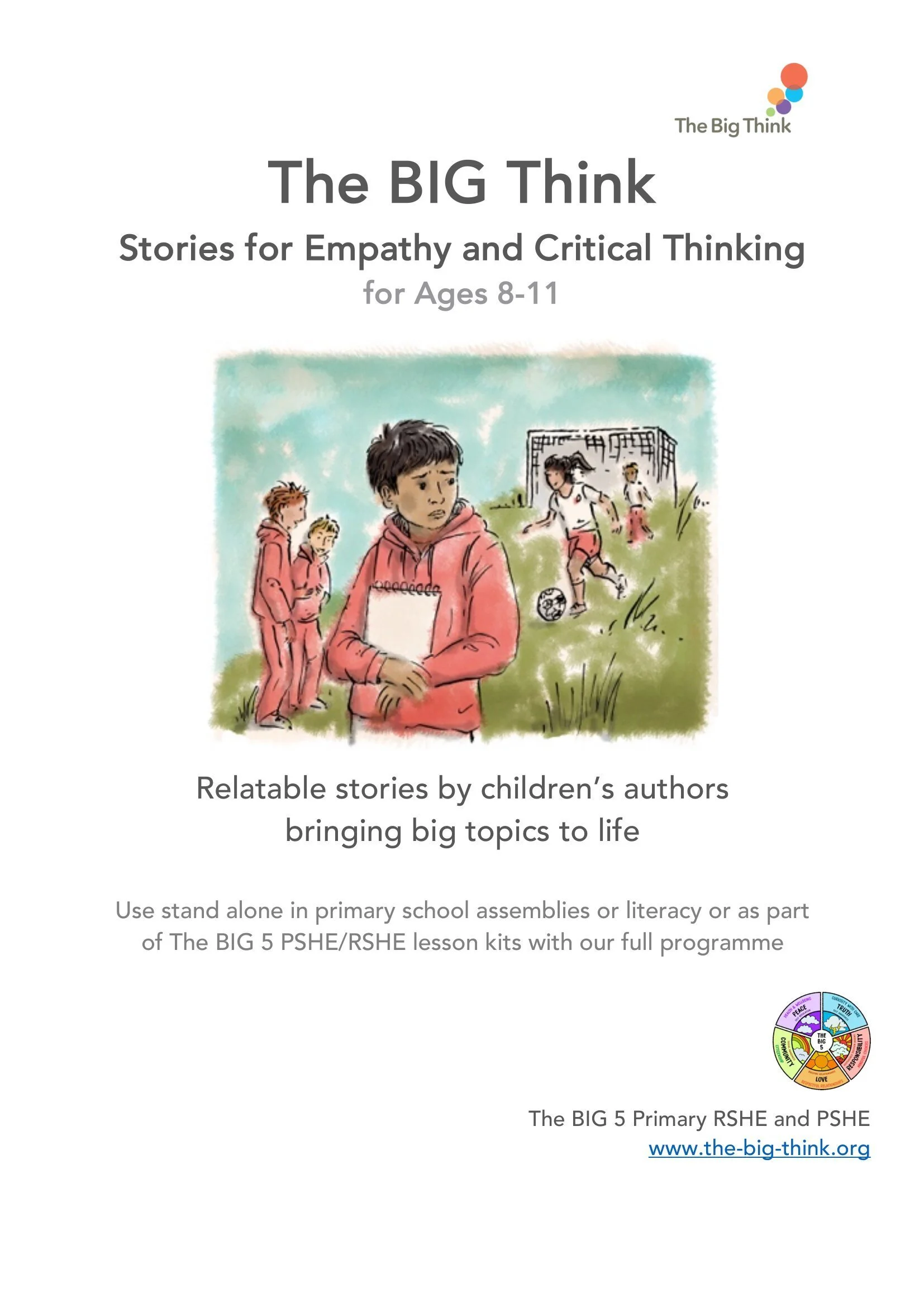
Bite-size short stories with discussion questions for assembly or classroom, featuring relatable characters and covering a vast range of topics from chatbot friendships to misogyny.

Does it work?

- Rebecca Hibbin’s research (2016) indicates that oral storytelling in schools acts as a key pedagogical tool to foster empathy, develop identity, and create safe environments for exploring emotions in PSHE.


As a Values-based school, we share The BIG Stories in our Values assembly. The children connect to the characters easily as they are the same age and experiencing similar challenges.
— Headteacher, Reading